Traditional South African Favorites
Explore the heart of South African cuisine with our collection of cherished traditional recipes. These dishes have been passed down through generations, carrying the flavors and stories of our rich cultural heritage. From hearty stews to flavorful sides, discover the authentic taste of home.
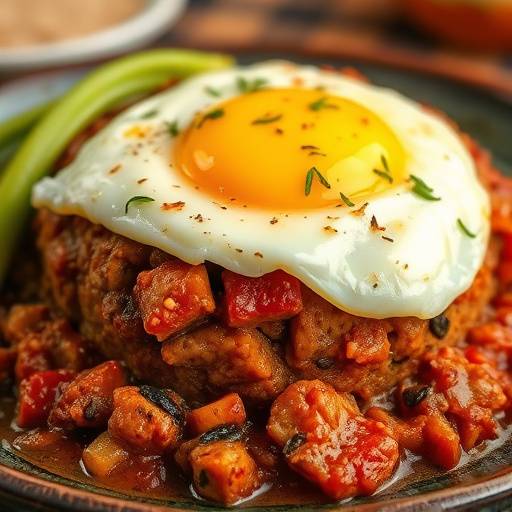
Bobotie
Bobotie is a spiced minced meat dish baked with an egg-based topping. It's believed to have originated in the Cape Malay community and features a blend of sweet and savory flavors, often including dried fruit, curry powder, and almonds. It's a comforting and flavorful dish enjoyed throughout South Africa. The name might come from the Malay word 'boemboe', meaning curry spice.
View Recipe
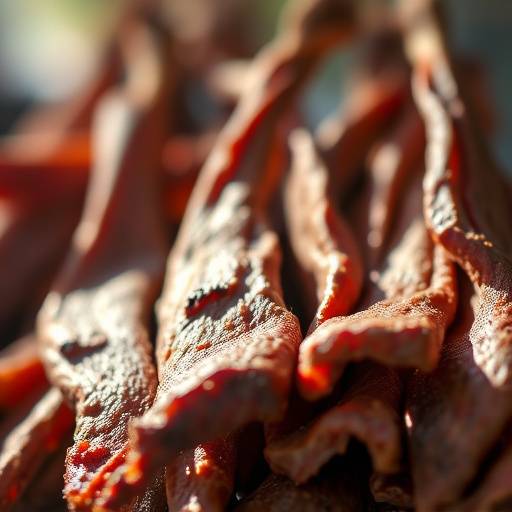
Biltong
Biltong is a form of dried, cured meat that originated in South Africa. Various types of meat are used to produce it, ranging from beef to game meats like kudu or springbok. It is typically seasoned with coriander, pepper, salt, and vinegar, then air-dried. Unlike jerky, biltong is thicker and often features fat, contributing to its rich flavor. Biltong was originally a method for preserving meat by the Voortrekkers during the Great Trek.
View Recipe
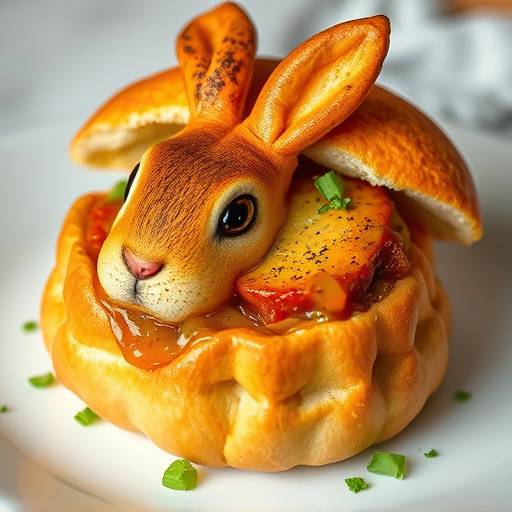
Bunny Chow
Bunny Chow is a South African street food dish consisting of a hollowed-out loaf of bread filled with curry. It originated in Durban, home to a large Indian population, and is often associated with Indian cuisine. The curry can be made with mutton, chicken, or beans, and the bread acts as a convenient and edible container. It's believed to have originated as a portable lunch for laborers. The dish is typically served with a side of grated carrot, onion, and chili salad.
View Recipe
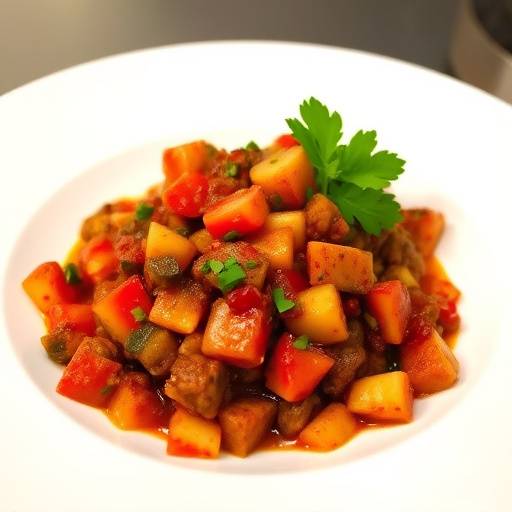
Chakalaka
Chakalaka is a spicy vegetable relish, often made with beans, tomatoes, onions, peppers, carrots, and spices. It's a staple of South African cuisine and is typically served as a side dish with stews, grilled meats, or pap (maize porridge). Chakalaka is believed to have originated in the townships of Johannesburg and is a versatile dish that can be adapted to suit different tastes and preferences. It provides a burst of flavor and adds a vibrant element to any meal.
View Recipe
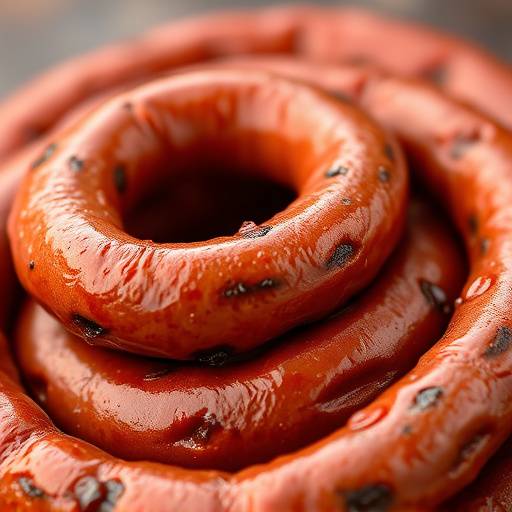
Boerewors
Boerewors is a type of sausage originating from South Africa. The name is derived from the Afrikaans words "boer" (farmer) and "wors" (sausage). It is traditionally made from coarsely minced beef, pork, or a mixture of both, along with spices like coriander, black pepper, and nutmeg. Boerewors is typically grilled or braaied (barbecued) and is a popular dish at gatherings and celebrations. According to South African regulations, boerewors must contain at least 90% meat and no more than 30% fat.
View Recipe
Malva Pudding
Malva Pudding is a sweet, spongy pudding of South African origin. It is typically made with apricot jam and served hot with a creamy sauce. The pudding has a caramel-like flavor and a moist, airy texture. Malva Pudding is believed to have originated in the Cape Dutch community and is a popular dessert during the colder months. It is often served with custard or ice cream for an extra indulgent treat.
View Recipe
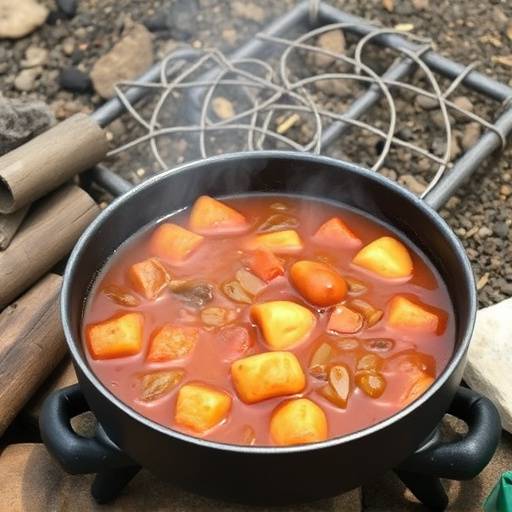
Potjiekos
Potjiekos, meaning "small pot food," is a traditional South African stew cooked in a three-legged cast-iron pot (a potjie) over an open fire. It typically consists of meat (often lamb or beef), vegetables (like potatoes, carrots, and onions), and spices. The ingredients are layered in the pot and slowly cooked for several hours, resulting in a rich and flavorful stew. Potjiekos is a social activity, often enjoyed at gatherings and camping trips. The layering technique ensures that each ingredient retains its distinct flavor while contributing to the overall taste of the dish.
View Recipe
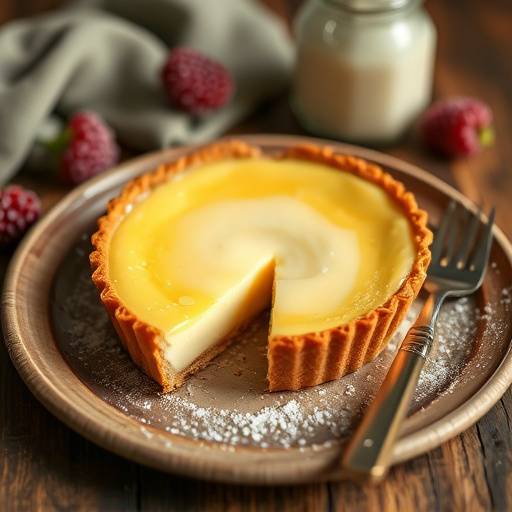
Melktert
Melktert, or milk tart, is a traditional South African dessert consisting of a sweet pastry crust filled with a creamy milk custard. The custard is typically flavored with cinnamon and sometimes almond essence. Melktert is a comforting and nostalgic dessert, often enjoyed as a teatime treat or after a meal. It is believed to have originated in the Cape Dutch community and is a popular dessert at bake sales and family gatherings. The creamy texture and subtle sweetness make it a beloved classic.
View Recipe
Vetkoek
Vetkoek, meaning "fat cake," is a traditional Afrikaner fried dough pastry, similar to a donut without a hole. It is typically served with savory fillings like minced meat or cheese, or sweet fillings like jam or syrup. Vetkoek is a popular street food and is often sold at markets and festivals. It is a simple yet satisfying snack that provides a taste of South African comfort food. The dough is usually made with flour, yeast, sugar, and salt, and is deep-fried until golden brown and crispy.
View Recipe
Waterblommetjie Bredie
Waterblommetjie Bredie is a lamb and water lily stew, a Cape delicacy. It is a traditional South African dish made with lamb, waterblommetjies (Cape water lilies), onions, potatoes, and spices. The stew is slowly cooked until the lamb is tender and the waterblommetjies have infused their unique flavor into the broth. Waterblommetjie Bredie is a seasonal dish, typically enjoyed during the winter months when the waterblommetjies are in bloom. It is a unique and flavorful stew that showcases the diverse ingredients of South African cuisine. The dish highlights the culinary heritage of the Western Cape region, where waterblommetjies are abundant.
View Recipe